My Rule #1 for Teaching Elementary School
Attention! We all love it! Elementary-aged kids can’t get enough of it — mainly from adults (unlike middle and high school kids who care more about what their peers think than what you think). Positive attention. Negative attention. They’ll take whatever they can get! And, this is the tricky part…
Here’s the thing about elementary schoolers in particular:
They love attention from YOU! And, even negative attention is attention. Don’t fall into the trap, which can suck you in like quicksand — the trap of feeding your students negative attention.
Trust me, I know how hard this is. I’ve messed this up so many times. I mean, sometimes they just seriously get on your nerves. They just drive you crazy! They break rules, talk back, misbehave. They know how to get your goat! Maybe they’re just acting the way they do at home where perhaps they’re used to getting yelled at and punished.
The thing is you can’t give them negative attention. I mean you can, but you shouldn’t. Whenever possible, give them positive attention instead.
The Goal is this, which is my #1 Rule for Teaching Elementary School: Give them the attention they crave

When the quicksand sucks you in, and you’ve fallen into the trap, you’re inadvertently filling the space inside the four walls of your classroom with negative energy. First, it emanates from you. Then, it spreads! Like wildfire. Or dominoes. No wonder you feel so drained at the end of the day! (Ok, that’s not the only reason you’re drained, but negativity just leaves you feeling icky).
Sure, you need to discipline. You have high standards, as you should. You need to provide consequences. Logical ones. For your mental health and theirs, discipline calmly, not when you’re frustrated or angry. (Maybe sit down and take some deep breaths when you’re seeing red.) And follow my tips in this blog post for providing positive attention.
Here are some ideas for giving positive attention:
- Praise Positive Behavior: It’s true that you expect them to do as they’re told and behave, so you may wonder why this is necessary. It’s necessary because kids LOVE it, and they’ll actually stay the course versus get off track. Plus, it gets other students envious, and they’ll try to get the same praise. Go overboard. Say it out loud. My favorite is “I like the way so-and-so is doing so-and-so. Way to go!” or “Thank you for putting your phone in the holder; I really appreciate that!” or “Wow, your handwriting is so neat! I love it, and I can easily read it!” or “That paragraph is so well written! Dang, I am impressed – topic sentence, transition words, details, evidence – that is so awesome!” Yes, go overboard, even if it feels weird to praise what you already expect anyway.
- Notice Something They Put Effort Into and Compliment It (something superficial is just fine): Do you like their shoes? Their shoelaces? Their new haircut? Their backpack? Their nails, jewelry, accessories? Their squishy toy? It’s ok if it feels superficial! The art project they made? Their notebook cover? Their lunch/snack choice? How they helped or volunteered? How neatly they wrote? How they sang? Danced? Played an instrument? Performed athletically? Performed in the play? Colored a picture? TELL THEM! And, challenge yourself to especially do this for a frequent misbehaver (before they misbehave is being proactive) even if it feels weird. Compliments like these go a long way. Don’t worry about others feeling bad; they won’t. And, try to do this with everyone over time.
- Be an ACTIVE Listener: Students want to be heard. They sometimes overshare. They tell long stories. They say the weirdest things. They tell you how they feel. They tattle tell. If they are talking to you, don’t just hear them while you multitask. Actively listen, which means: maintain eye contact, repeat back/clarify some part of what they said (“So what you’re saying is…), ask leading questions (“And how did that make you feel?”), ask any related questions, don’t multitask, don’t cut them off or interrupt. Ok, this can be challenging when they go on and on using way too many words and descriptions, or when you honestly just don’t care, or if they are being a Negative Nelly, or tattling — just try to hear them out. You can get them to speed up or get them to realize what they’re actually saying behind the cryptic talk, by telling them you’re so sorry, but you have such-and-such to do/don’t have much time, or by asking clever, leading questions that get them to reflect on themselves instead of talking about other people.
- Greet Them at The Door By Name: And why not add a fist bump, personalized comment, or words of praise…or “Nice to see you.”
- Use Popsicle Sticks to Include Everyone: Call on them randomly, and rotate through all of them to answer questions or do tasks for you. Otherwise, the quiet ones can just slide under your radar and hardly get any attention while the squeaky wheels or zealous participators steal all the attention.
- Make Positive Phone Calls Home or Send Home Positive Notes: Make them quick, specific, and easy or you’ll get burnt out trying to keep it up. Maybe use a template and just fill in their name with one sentence.
- Smile
- Laugh
- Joke Around
- Play With Them/Join in the Fun
- Bond With Them Over Low-Key Stuff: My go-to low-key topic is pets. “Do you have any pets? What kind? What is its name? How long have you had it?” etc. And, “I have two cats: one is named Puffin and the other is Muffin! They’re siblings. They do some funny things, such as…Do your pets do silly things?” Another great topic is video games/games in general. “I LOVE Candy Crush. Do you? What’s your high score? Wow!” Also, I am in LOVE with Squishies! The same ones kids love. “I LOVE your squishy! That is so cute! Where did you get it?” etc.
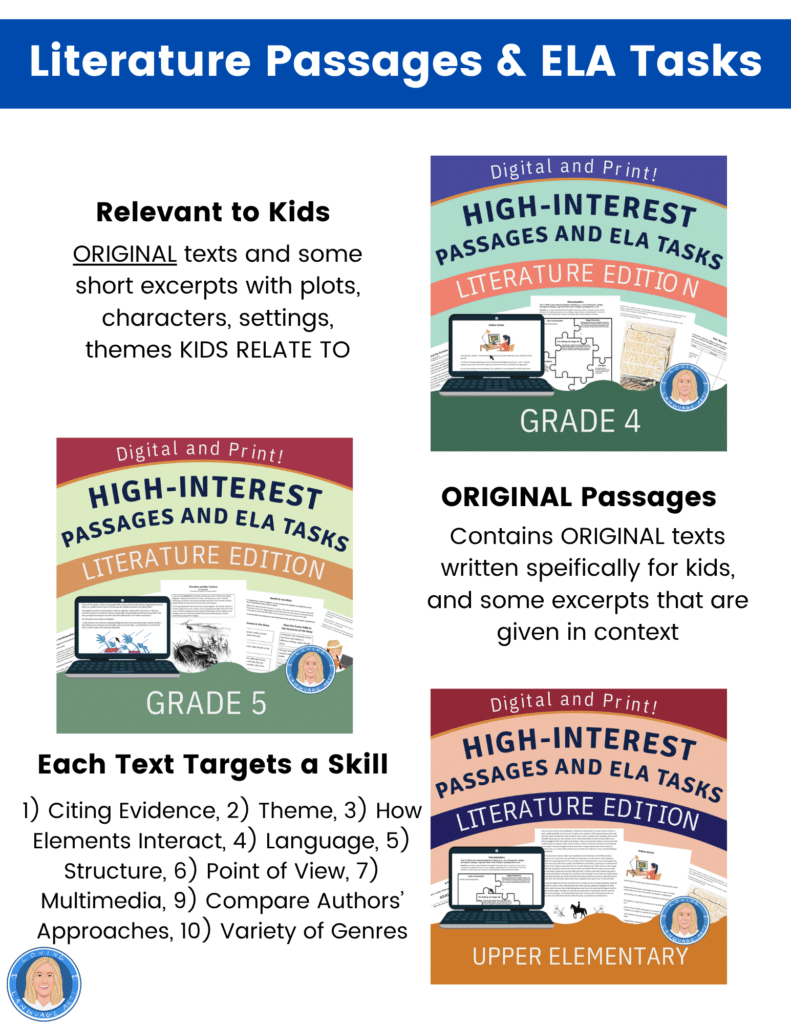
Here’s another trick I learned. When you provide your students with high-interest learning resources they feel are relevant to them and interesting in some way, they will actually behave better. They will get sucked into whatever you are trying to get them read, write, or do and forget about misbehaving.
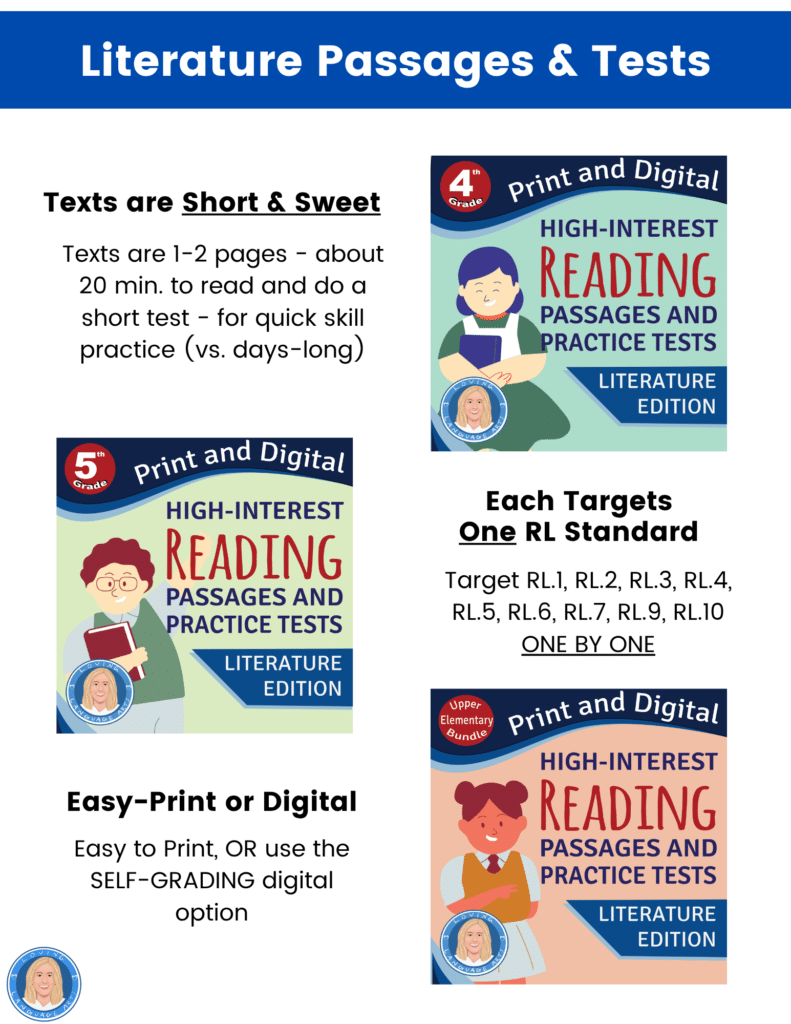
So, that’s why I created these short and sweet (many of which are ORIGINAL, written by human authors I employed, mixed in with some great classics), high-interest Literature Skills Workbooks. They come in two versions: “Reading Literature Passages and ELA Tasks” and “Reading Literature Passages and Practice Tests”.
I went out of my way to make the literature (fictional narratives/short stories, poems, memoirs, song lyrics) super interesting to students by writing about characters, settings, conflicts that interest them. Plus, unlike the textbooks and even online sources, I purposely made them short (one to two pages) for quick, painless skill practice that is also easy to print (online versions are included, including self-grading tests).
And, guess what? It worked. I’ve been hearing from teachers how kids get so into these passages. They actually WANT to answer the questions. They even want to discuss the literature as a group.
And teachers keep reporting how much time and hassle I have saved them. I did that by aligning every text and task to a specific Reading Literature Standard and did that 9 times to cover all 9 of them individually (There is no RL.8). Now teachers don’t have to go searching for the right passages that bring out the right skills.
The unique thing about these workbooks is that students are guided to focus on one RL Standard at a time, one by one. And, they are NO PREP!
Find the Literature Skills Workbook for the grade(s) you teach, and use them all year long! Your students are actually going to behave better because they won’t be bored!

I even made them in both PDF and interactive Google Slides and self-grading Forms, in case you want the easy digital option!
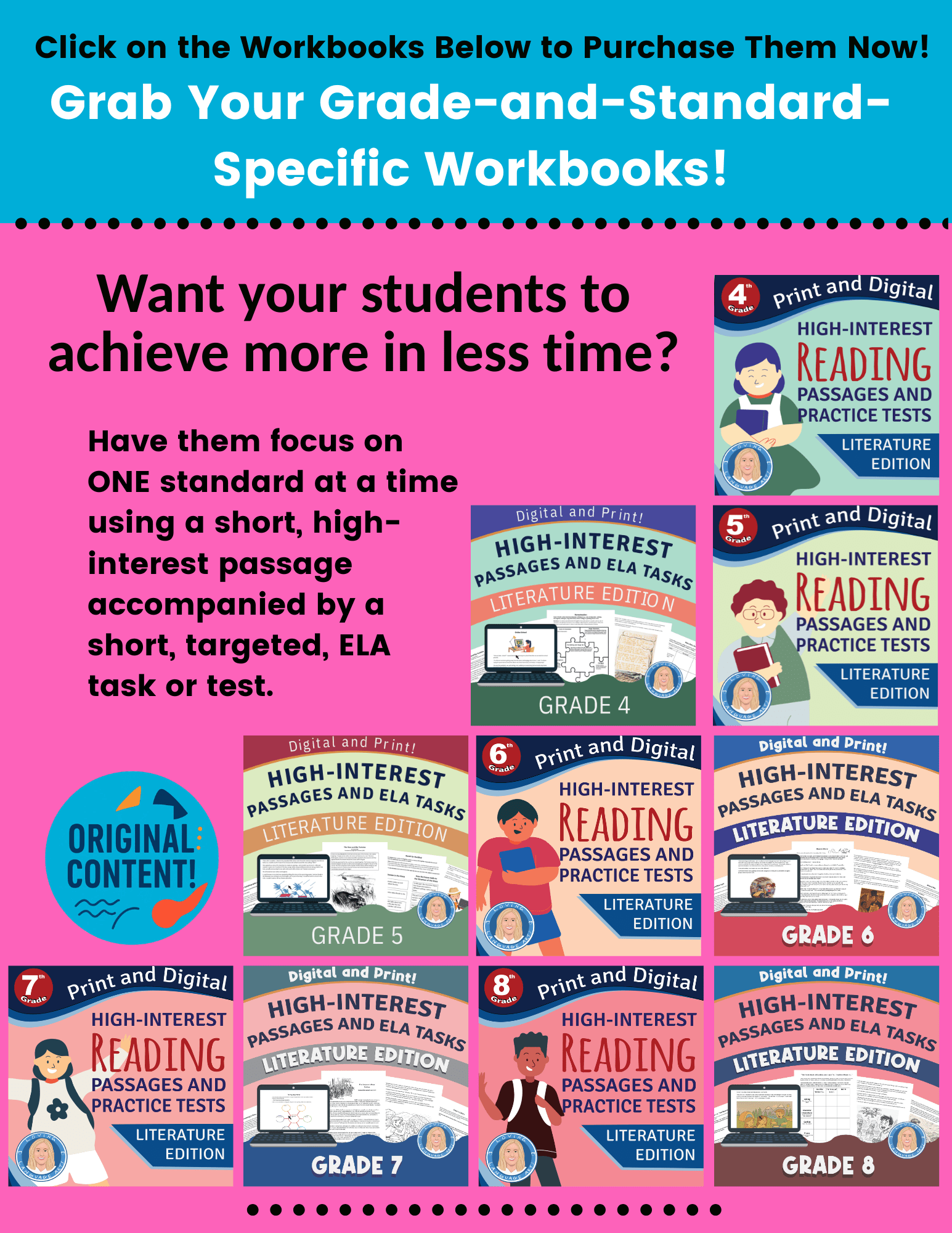















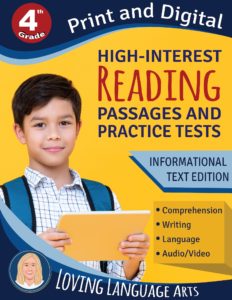
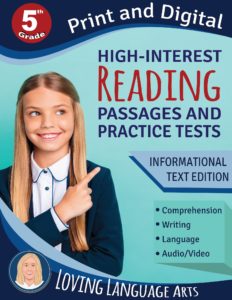
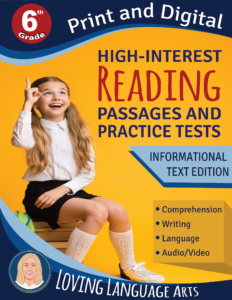
Check out these GRADE-SPECIFIC workbooks with ELA tasks or practice tests that target EVERY GRADE-SPECIFIC READING LITERATURE TEXT STANDARD, one by one. An added bonus is that students LOVE the texts! In Easy-Print or Self-Grading Online Versions.


"My students absolutely LOVE these! They were asking for more! Thank you!"

How about save this pin to your Pinterest boards so that you can come back to this post again?